
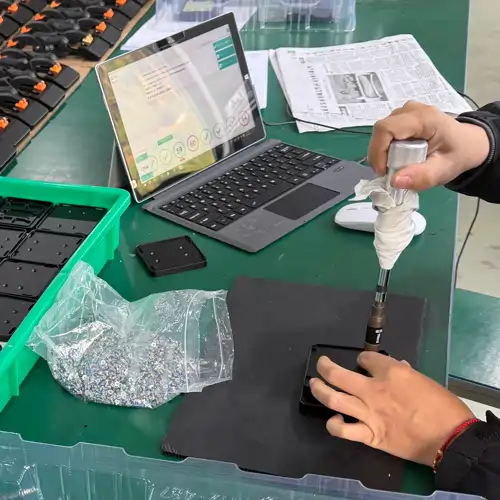
What traceability means in practice

Traceability is the ability to trace every step of an assembly back to the person who did it, the time it happened, the materials used, and the quality checks performed. For each serial number, you should be able to answer: who assembled it, what instructions did they follow, what measurements were taken, and did it pass all quality gates.
This isn't a nice-to-have for many industries. Automotive, aerospace, medical devices, and electronics all have regulatory or customer requirements for traceability. Even outside regulated industries, B2B customers increasingly demand it as part of their supplier qualification process.
Why paper-based traceability fails
The traditional approach is paper travellers: a sheet that follows the product through the factory, with operators signing off at each station. This creates a record, but it's unreliable. Signatures are often batch-completed at the end of a shift. Measurements may be rounded or estimated. And retrieving the data months later means digging through filing cabinets.
When a customer asks for a build report for a specific serial number, the manual effort to compile it can take hours, if the data is findable at all.
Where traceability requirements come from
Traceability obligations reach manufacturers through four channels, and it helps to know which one is behind a customer's request:
- Regulation. Medical devices (FDA 21 CFR Part 820, EU MDR), aerospace (AS9100), and automotive (IATF 16949) all mandate production traceability. If you sell into these supply chains, it is not negotiable.
- Customer quality agreements. Large OEMs and tier-1 suppliers write traceability requirements directly into supplier contracts, often with specific retention periods and report formats.
- Certifications you hold. An ISO 9001 certificate implies traceability records wherever identification and traceability are required (clause 8.5.2). Auditors will sample them.
- Field failures and warranty claims. When a unit fails in the field, the first question from everyone (customer, insurer, lawyers) is: which batch, which components, which operators. Without records, every unit in the batch becomes suspect.
Knowing which channel drives the requirement also tells you the depth needed. A customer asking for basic proof of assembly needs step records and sign-offs. An aerospace customer under AS9102 needs documented material traceability and measurement records per feature. Matching the depth to the actual requirement avoids both under-documenting and gold-plating.
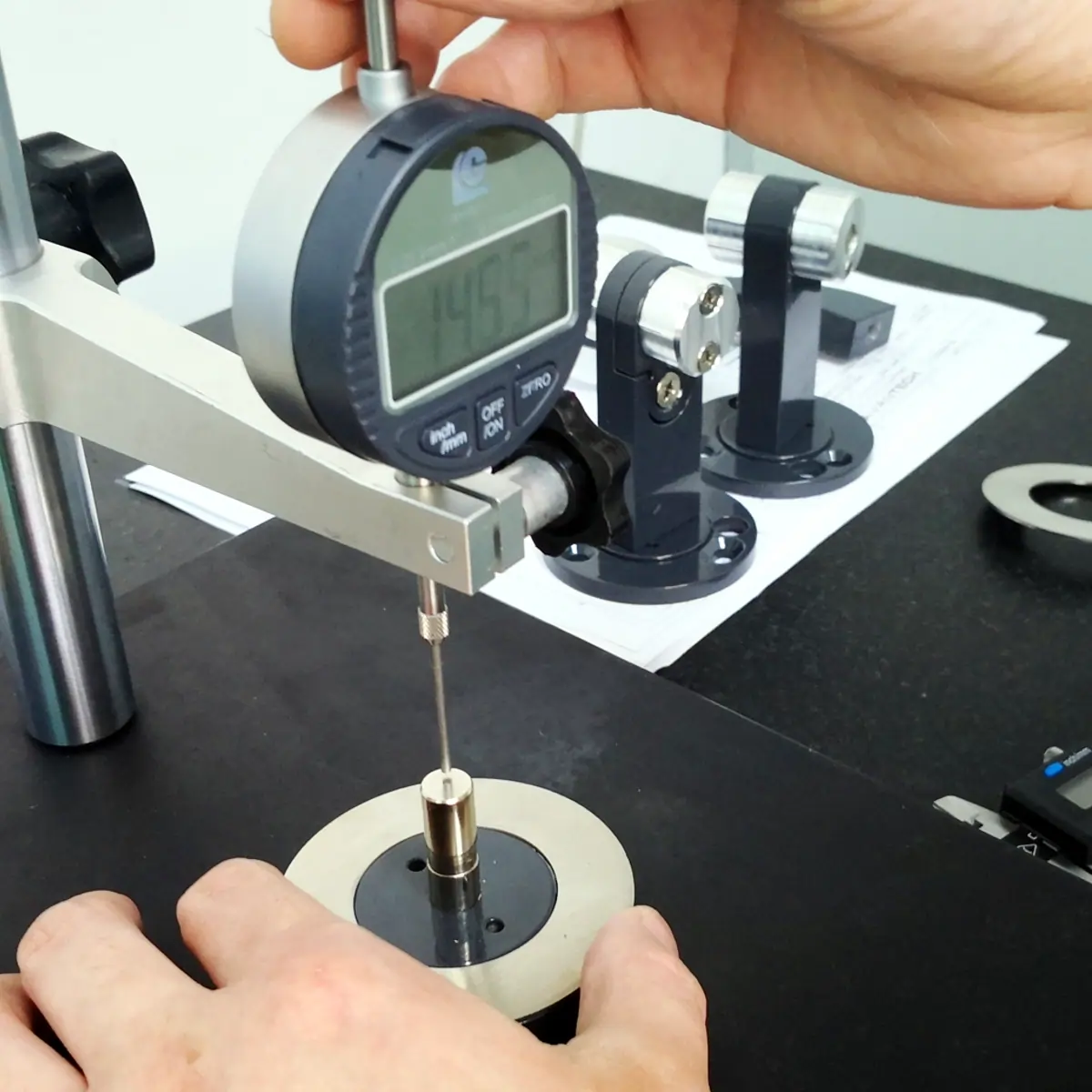
What a digital traceability system provides
A digital system captures traceability data automatically as part of the assembly workflow. The operator follows digital work instructions, and every step completion, measurement, photo, and sign-off is recorded with a timestamp and user ID. The data is structured, searchable, and exportable.
When a customer requests documentation, you generate a report in seconds. When an audit happens, the data is already organized. When a quality issue arises, you can trace it back to the exact step, operator, and time.
Getting started
The most practical approach is to start with one product or one assembly line. Set up digital instructions for that workflow, run production through the system for a few weeks, and evaluate the data quality and operator adoption. Most teams find the transition smoother than expected because the instructions actually make the operators' job easier.
Asytra Trace is designed for exactly this. See how it works or try it free for 14 days.
Frequently asked questions
They are often used interchangeably. Strictly, traceability links a finished unit to the process data of its build (who, when, what checks). Genealogy or component traceability goes one level deeper: it also records which serial or lot numbers of purchased components went into each unit, so a suspect component lot can be traced to every affected finished unit, and vice versa.
It depends on the industry and contract. Automotive and medical typically require 10 years or the lifetime of the product. Aerospace programs often specify retention for the life of the aircraft. Absent a specific requirement, a practical default is at least the warranty period plus a margin, agreed with your customer. Digital records make long retention cheap because there is no paper to store.
Modern browser-based systems are priced for small teams and need no installation or IT project. Trace starts at $49/month for 3 users. The realistic comparison is not system cost versus zero: it is system cost versus the hours spent compiling build reports by hand and the risk of losing a customer over a missing record.